In July 2026, one national portal put Hyde Park's median home price at $777,500, with an average sale price of $1,121,129 and homes spending roughly 76 days on the market. Around the same time, another portal's neighborhood tool showed a three-month median of just $554,000 through May 2026, describing it as a 47.3% drop from the year before. Same neighborhood. Same season. A gap of more than $200,000 depending on which tab happened to be open.
If you're comparing Hyde Park against other South Tampa neighborhoods on your shortlist, that gap matters more than it looks. It doesn't mean the market crashed or spiked. It means the "median" you're anchoring on is a fact about a handful of transactions, not a fact about the neighborhood itself.
The Same Neighborhood, Two Different Snapshots
| Source | Reporting Window | Median Price | Average Price | Days on Market |
|---|---|---|---|---|
| National portal | July 2026 | $777,500 | $1,121,129 | 76 |
| Neighborhood housing tool | 3 months through May 2026 | $554,000 | $525,000 (prior month) | 18, down from 78 a year earlier |
Both numbers are real. Neither is wrong. They're just measuring different slices of a market that doesn't sell enough homes in any given month to produce a stable read.
Why a Dozen Sales Can Move the Number This Much
The second data set explains its own volatility if you read past the headline figure. Only 12 homes sold in Hyde Park in May 2026, up from just 5 the same month a year earlier. In a neighborhood that small, one closed estate on a premium block or one cluster of condo turnovers can swing the median by six figures without any real shift in underlying demand. Compare that to Tampa as a whole, where roughly 1,590 homes sold across the metro that same May, a volume large enough to average out any single transaction's pull.
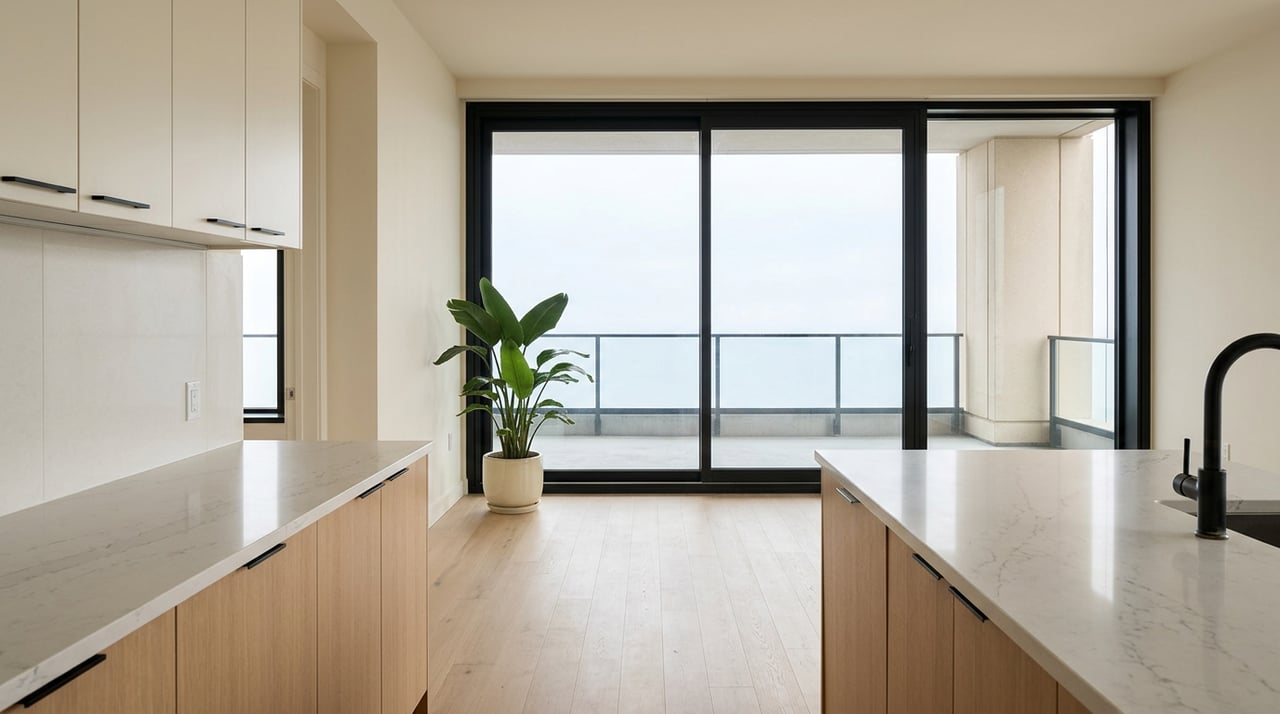
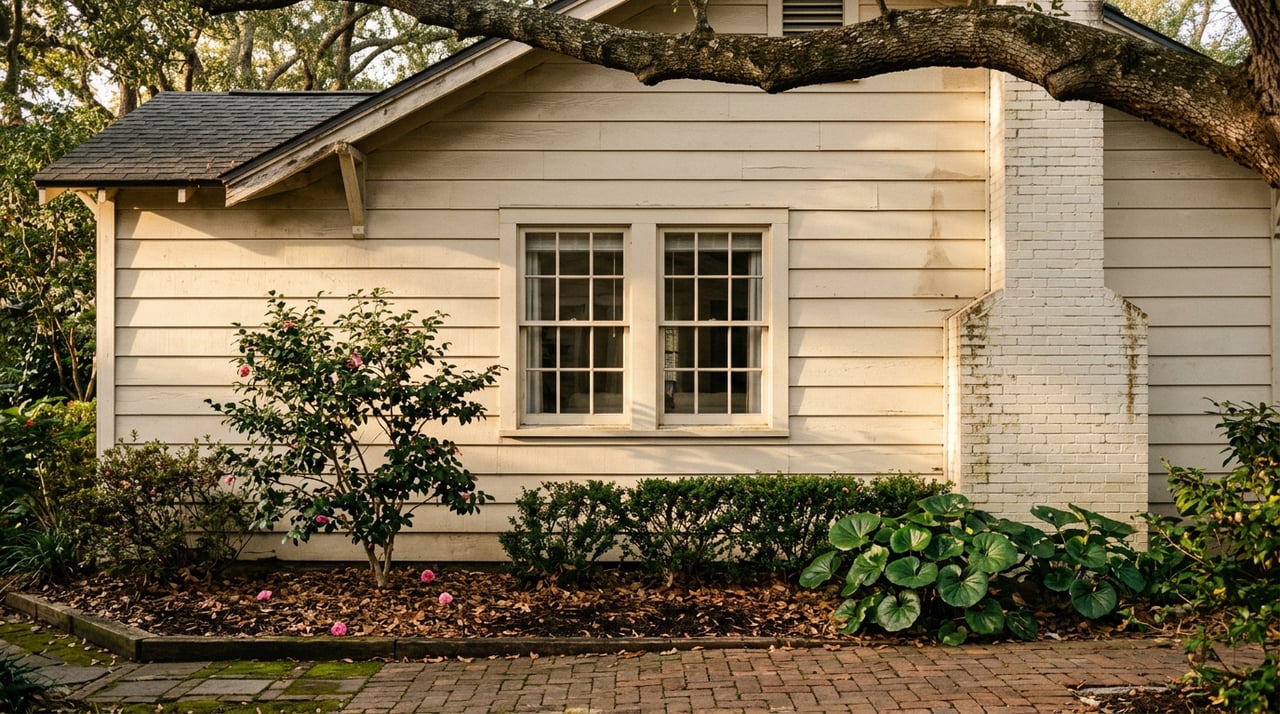
Hyde Park doesn't get that cushion. Its housing stock genuinely spans compact Craftsman bungalows, mid-size cottages, high-rise condos, and multimillion-dollar estates along the water. Whichever mix happens to close in a given month drags the median toward it. A month heavy on condo closings reads differently than a month with one estate sale, even if the number of listings and buyer interest stayed flat.
The days-on-market swing tells the same story from another angle. Homes selling in 18 days this spring versus 78 days a year earlier says less about a sudden surge in demand and more about which kind of home happened to sell fast that month. A move-in-ready condo near Hyde Park Village moves at a different speed than a bungalow tied up in exterior review.
A median price is a fact about last month's buyers. It isn't a fact about the neighborhood.
The Boundary Line a Portal Can't See
Every one of those medians treats a house the same whether it sits inside Hyde Park's local historic district or just outside it. That boundary isn't cosmetic. Effective January 5, 2023, the City of Tampa expanded the Hyde Park Historic District north, adding 184 buildings across the areas covered by the Hyde Park Spanishtown Creek Civic Association and the Historic Hyde Park Neighborhood Association.
Homes inside that boundary answer to the city's Architectural Review Commission, which reviews exterior work against the Hyde Park Design Guidelines and the Secretary of the Interior's Standards for Rehabilitation. That covers scale and massing, setback and site coverage, roof forms and materials, window patterns, even paint and stain choices on the exterior.
What that means in practice: two houses that look nearly identical from the sidewalk, same era, similar square footage, can carry very different renovation math if only one of them needs a design review before a window swap, a roof change, or a second-story addition gets approved. None of that shows up in a scraped median. It shows up when you check a specific parcel against the current district map, which is exactly the kind of confirmation worth doing before you fall in love with a floor plan and a renovation budget that assumes no review process at all.
Tampa's Architectural Review and Historic Preservation staff can confirm parcel status directly at 813-274-3100, option 3, or by email at [email protected].
Before You Anchor on a Single Median
- Ask how many homes actually sold in the window behind that number, and what type they were. A median built on five sales tells you something different than one built on fifty.
- Compare price per square foot within the same product type. A bungalow against a bungalow tells you more than a bungalow against a shorefront condo averaged together.
- Confirm whether the specific parcel sits inside the current historic district boundary before you budget a renovation timeline or cost.
- Treat days on market as a signal about what kind of home sold, not a signal about how hot the whole neighborhood is.
What This Means If You're Comparing Hyde Park to Somewhere Else
If you're cross-shopping Hyde Park against Palma Ceia, Bayshore Beautiful, or Beach Park, the temptation is to line up medians side by side and treat the comparison as settled. Hyde Park's numbers, more than most, resist that shortcut. The neighborhood's small sales volume and unusually wide product range mean the headline figure moves for reasons that have nothing to do with what a specific street, block, or parcel is actually worth.
That's where a local read earns its keep. Sorting comps by product type, checking a parcel's historic status before it becomes a renovation surprise, and reading days-on-market as a mix indicator rather than a demand thermometer are all things a portal's summary page won't do for you.
If you're weighing Hyde Park against another South Tampa neighborhood, or trying to figure out what a specific address's district status means for your plans, Andrea Webb Group can walk through the actual comps behind the number with you. Let's Connect.
FAQ
Is Hyde Park's median price really down close to 47% year over year? The 47.3% figure is a year-over-year change in median price; only 12 homes sold in May 2026, compared with 5 in May 2025. A sample that size isn't large enough to represent a genuine market shift. It's a reminder to look at transaction counts alongside any percentage change in a neighborhood this small.
How do I find out if a specific address is inside the current historic district? The City of Tampa maintains an official boundary map through its Architectural Review and Historic Preservation office, updated after the January 2023 expansion. Staff can confirm parcel-level status by phone or email before you assume either way.
Does historic district status make a home worth more or less? The available data doesn't support a blanket answer in either direction. What it does support is treating district status as a real variable in your renovation budget and timeline, worth confirming early rather than assuming based on a home's age or appearance.
This article is general information, not legal, tax or financial advice. Consult a qualified professional about your situation.