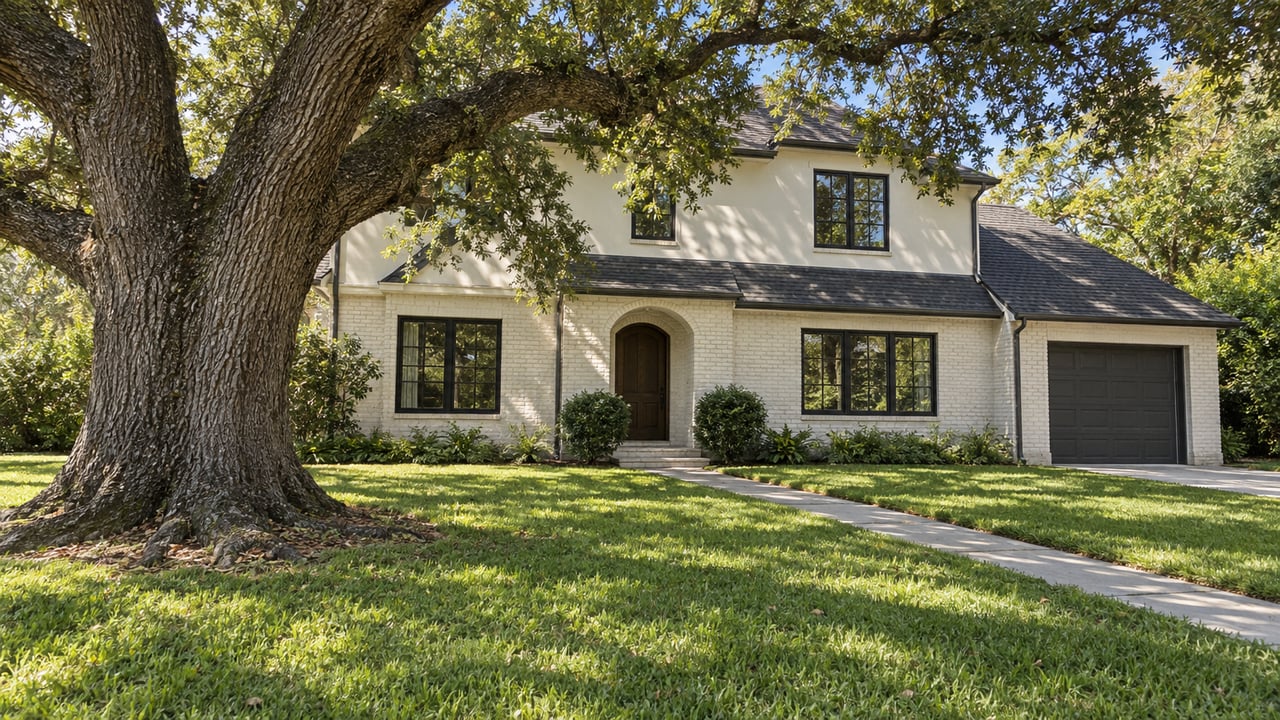
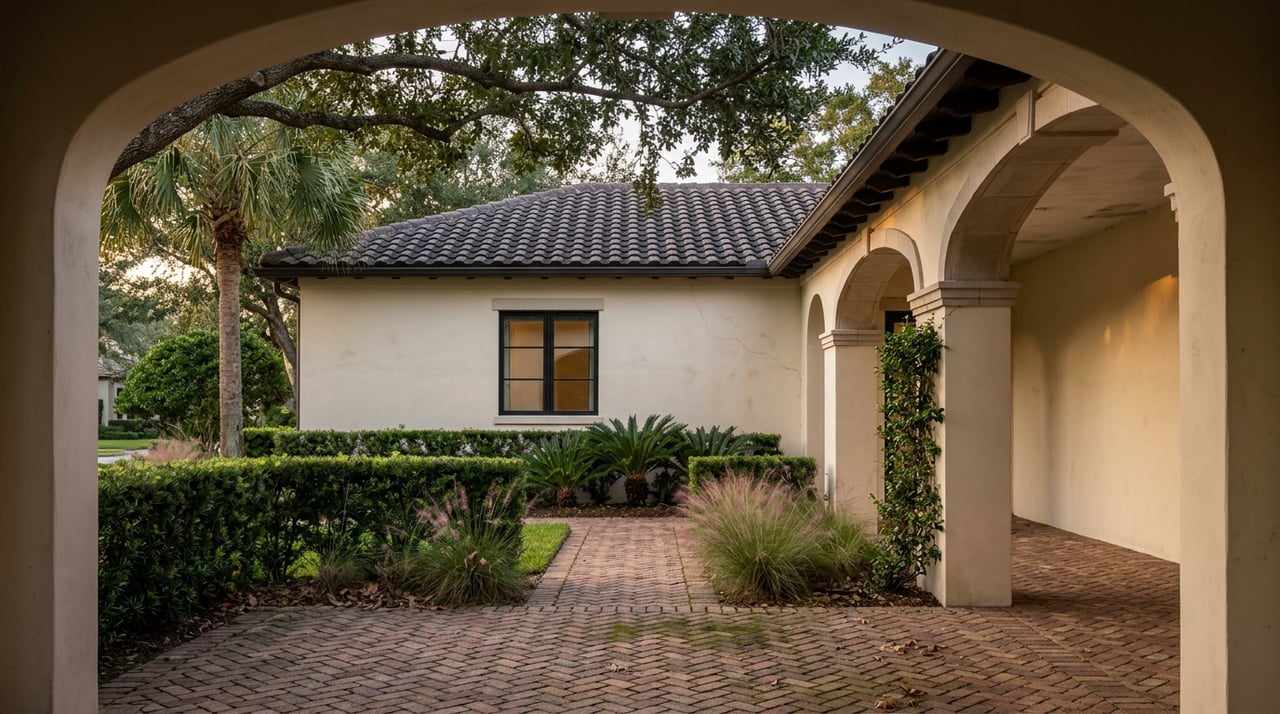
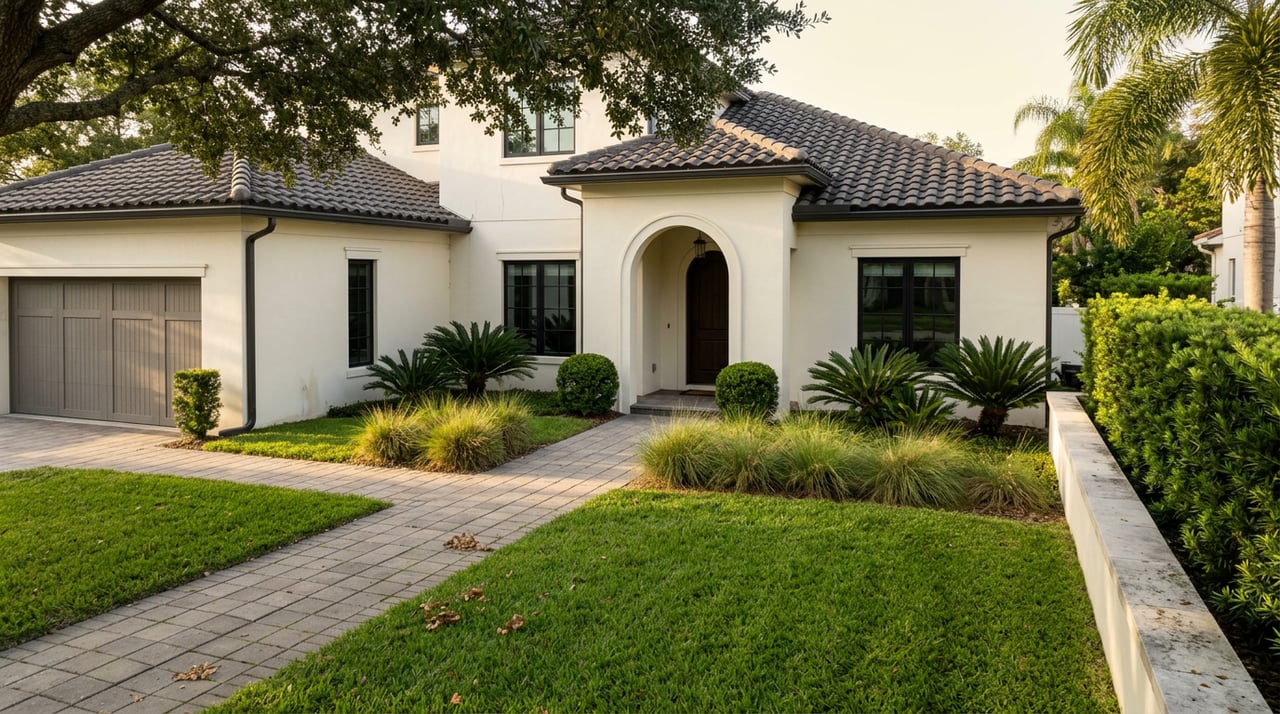
Picture a seller in Bayshore Beautiful who has done everything right. The listing photos catch the oak canopy at the right hour. The buyer loves the house on the first walkthrough, waives a few minor items after the home inspection, and everyone starts planning a closing date. Then, two weeks before that date, the deal stalls, not because the buyer got cold feet, but because an insurance carrier looked at a four-point inspection report and would not write a policy on the roof.
That sequence plays out often enough in this neighborhood to be worth naming directly. The buyer's home inspection is the part everyone prepares for. The insurance underwriting gate is the part that actually decides whether the transaction survives, and in a neighborhood built mostly before 1950, that gate applies to nearly every house on the block.
The Inspection Everyone Forgets to Plan Around
A four-point inspection is not the same document as the general home inspection a buyer orders during due diligence. It looks at exactly four systems, the roof, the electrical panel, the plumbing, and the HVAC, and it exists for one purpose: to tell an insurance carrier whether the company is willing to accept the risk of insuring the house. A full home inspection tells a buyer what they're purchasing. A four-point tells an underwriter whether they'll cover it at all.
Bayshore Beautiful's housing stock makes this distinction matter more than it would almost anywhere else in South Tampa. Ballast Point Park anchors the neighborhood's southern corner, and the small commercial strip along MacDill Avenue is about as close as the area gets to a town center, but the residential blocks between them are what carry the real story. The dominant building period here runs from the 1920s through the 1940s, Mediterranean Revival and Colonial Revival homes on the interior streets, with mid-century ranches filling in during the 1950s and 60s. Custom infill on cleared lots has picked up since 2018, and Hillsborough County property records show that roughly 35 percent of homes in the neighborhood have undergone major renovation or a complete rebuild since 2015. That leaves a majority of the housing stock, likely two out of every three homes, running on systems that are decades past the point where an insurance carrier stops taking their age on faith.
Why Age Alone Can Sink a Contract
Every carrier sets its own trigger point for requiring a four-point, and the range matters. Citizens Property Insurance Corporation still requires one on applications for homes more than 20 years old. Private carriers set their own thresholds, and by 2026 several had eased that requirement out to 25 or 30 years, though a hard cutoff at 20 years persists at enough carriers, Citizens included, that a seller cannot assume otherwise. At the outer edge, almost every carrier writing policies in Florida will still ask for a four-point on a home 40 years or older, no matter how much the rest of their underwriting has loosened.
| Carrier type | Typical four-point trigger |
|---|---|
| Citizens Property Insurance | 20+ years |
| Most private carriers | 25 to 30 years |
| Virtually all Florida carriers | 40+ years |
Bayshore Beautiful's original-era homes, built in the 1920s through the 1940s, are now roughly 86 to 106 years old. That clears every threshold on this table, even the loosest one, by 46 to 66 years. There is no version of this neighborhood where the four-point question doesn't come up.
The systems that most often cause a decline are specific and well documented among Florida inspectors. Roofing carries the most weight in the report, since an aging roof is the single most common reason a four-point fails and the item insurers scrutinize hardest. Outdated electrical panels, particularly Federal Pacific and Zinsco brands still found in homes from this era, raise immediate red flags. Plumbing that still runs on polybutylene or galvanized pipe gets flagged for the same reason: both materials have a documented tendency to fail with age, and insurers know it.
None of this makes a Bayshore Beautiful home uninsurable. It means a seller who waits until under contract to find out what their systems look like is negotiating from a weaker position than a seller who already knows.
The Paperwork Layer Buyers Don't See at the Open House
Florida law layers two disclosure requirements on top of the insurance question, and both apply with unusual weight in this stretch of South Tampa. A statutory flood disclosure has to be completed and provided at or before contract execution, asking directly whether the seller has filed flood-related insurance claims or received FEMA assistance. Separately, known defects in a property's sanitary sewer lateral, the private line connecting the house to the public sewer main, must be disclosed before the contract is signed under Florida law.
These are not abstract compliance items in Bayshore Beautiful. Bayshore Boulevard itself, the road that borders the neighborhood's eastern edge, took on storm surge from Hillsborough Bay during Hurricane Helene in September 2024. A seller whose property took on water during that event, or in any prior storm, is required to disclose it. A seller who has never had the sewer lateral scoped has no way to answer the disclosure question with confidence, which is its own kind of exposure.
A four-point inspection tells an insurer whether your systems are acceptable risk. A flood disclosure and a sewer lateral disclosure tell a buyer what you already know about your property's history. They are three separate obligations, and a seller who treats them as one paperwork task tends to discover the difference at the worst possible moment.
When the Historic Overlay Adds Time
Some parcels in and around Bayshore Beautiful sit close enough to a designated historic district that exterior changes require a different approval path through the City of Tampa's Historic Preservation office and its Architectural Review Commission. If a four-point inspection flags a roof or exterior repair and that repair happens to fall inside a reviewed district boundary, the fix is no longer a simple contractor call. It becomes a submission that has to clear an architectural review before work can start. A seller who discovers this after already being under contract has lost weeks they didn't budget for. Confirming a property's exact historic status before listing costs nothing and removes one more variable from the closing timeline.
Why the Timing Matters More Right Now
None of this would carry the same weight in a market where buyers were lining up around the block and absorbing every surprise along the way. That is not the market Bayshore Beautiful is in at the moment. As of April 2026, the neighborhood had 61 homes for sale, a median sold price of $991,731, and a median of 58 days on market, with homes closing at 97 percent of asking on average, numbers that describe a market still moving with some discipline. By June 2026, one portal's trailing twelve month reading put the median sale price at $1,325,000, up 13 percent, while showing homes taking an average of 109 days to sell, nearly double the 56 day national average measured on the same reading. A rising median price and a stretching time on market rarely tell the same story. Read together, they describe a market where well prepared, correctly priced homes are still moving and everything else is sitting.
That combination, fewer transactions and slower absorption, changes the cost of a mid-contract surprise. In a fast market, a buyer who loses financing over an insurance decline gets replaced within days. In a thinner market, that same stall can cost a seller a full listing cycle, and the next buyer through the door will likely ask for the same four-point report the first one did. The advantage now belongs to the seller who has already answered the insurance question before the sign goes in the yard, not the one who finds out the hard way.
A Practical Order of Operations
For anyone preparing to list an original-era home in Bayshore Beautiful this fall, the sequence that avoids most of these problems looks like this:
- Schedule the four-point and wind mitigation inspections together before listing. Ordering them at the same visit typically costs less than booking them separately, and having both reports ready means you can answer an insurance question the moment it comes up.
- Pull permit history and repair records for the roof, electrical panel, and plumbing. If any of that work happened without a permit, gather what documentation exists now rather than scrambling once a buyer's lender asks.
- Confirm your property's historic district status directly with the City of Tampa before assuming any exterior repair is a simple weekend fix.
- Have your flood claim history and any FEMA correspondence organized in advance so the statutory disclosure can be completed accurately and without delay.
- If a sewer lateral has never been scoped, consider having it done before listing. It answers the disclosure question with certainty instead of a guess.
A Few Questions Worth Asking Directly
Does a four-point inspection expire? Most stay valid for the life of the policy, but a new one is often required whenever a home changes hands, regardless of how recent the last report was.
Will fixing an issue guarantee approval? Not automatically. Most insurers want a clean follow-up report confirming the repair before they'll finalize coverage, which means budgeting time for a second inspector visit after the work is done.
Does a recent renovation exempt a home from needing one? No. Even a fully updated interior can still trigger a four-point request, since the inspection documents current condition rather than assumptions based on a renovation date.
Selling a home built in the 1920s through the 1940s in Bayshore Beautiful means selling into a set of rules that newer construction never has to think about. Getting ahead of the insurance question, the disclosure paperwork, and the historic review process before a buyer ever walks through the door is what separates a listing that closes on schedule from one that stalls two weeks before the finish line. If you're weighing a sale in Bayshore Beautiful or anywhere else in South Tampa, Andrea Webb can walk through what your specific property will face before it ever hits the market. Let's Connect.