Trying to choose between Hyde Park and Downtown Tampa can feel harder than picking the home itself. Both areas put you close to the city’s energy, but the day-to-day experience is very different once you picture where you’ll park, walk, unwind, and wake up each morning. If you want a clearer way to compare the two, this guide will help you match your lifestyle, housing goals, and long-term priorities to the right fit. Let’s dive in.
Hyde Park vs. Downtown Tampa at a Glance
If you want the simplest version, Hyde Park tends to feel more historic, shaded, and residential. Downtown Tampa and nearby Channelside tend to feel denser, more active, and more focused on urban living and redevelopment.
That difference shows up in almost everything, from the homes you tour to how you spend a weeknight. One area leans toward classic neighborhood character, while the other leans toward a live-work-play routine with more concentrated activity.
Hyde Park Feel and Setting
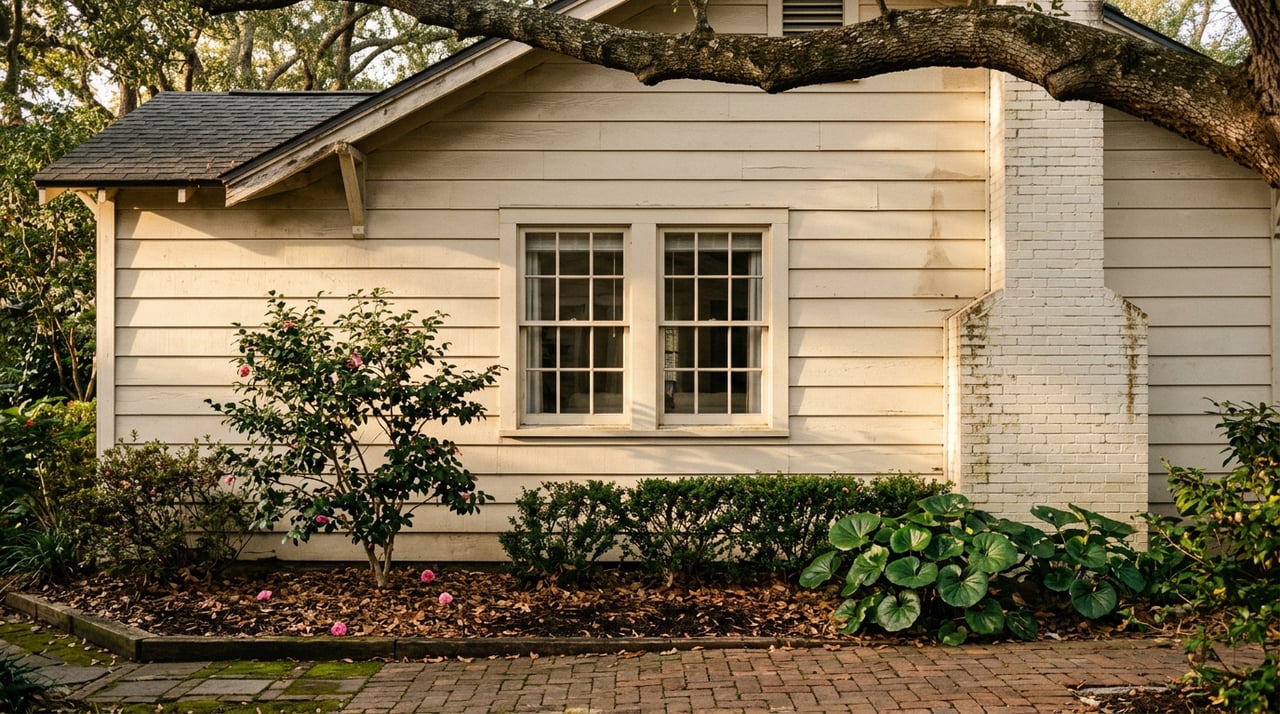
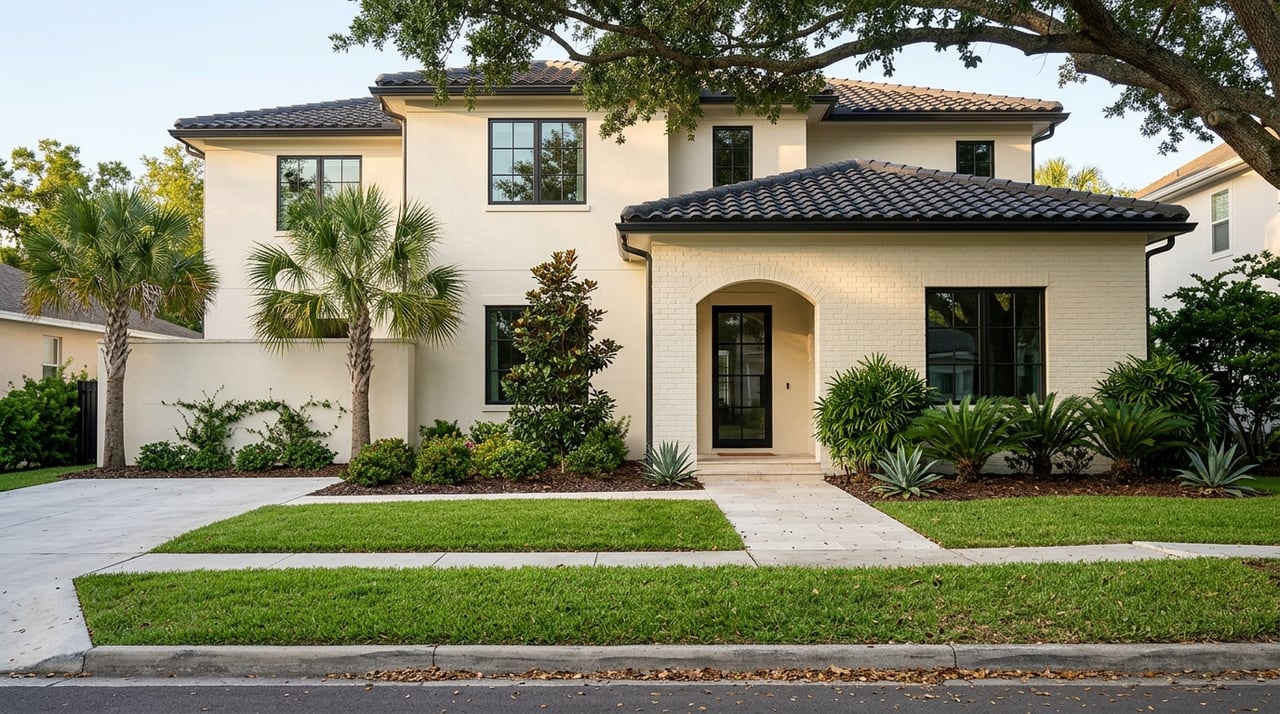
Hyde Park is Tampa’s oldest existing neighborhood, located just across the Hillsborough River from the downtown core. The City of Tampa describes it as a historic area with many homes that have been intensively renovated in the Florida architectural style of the 1920s and 1930s.
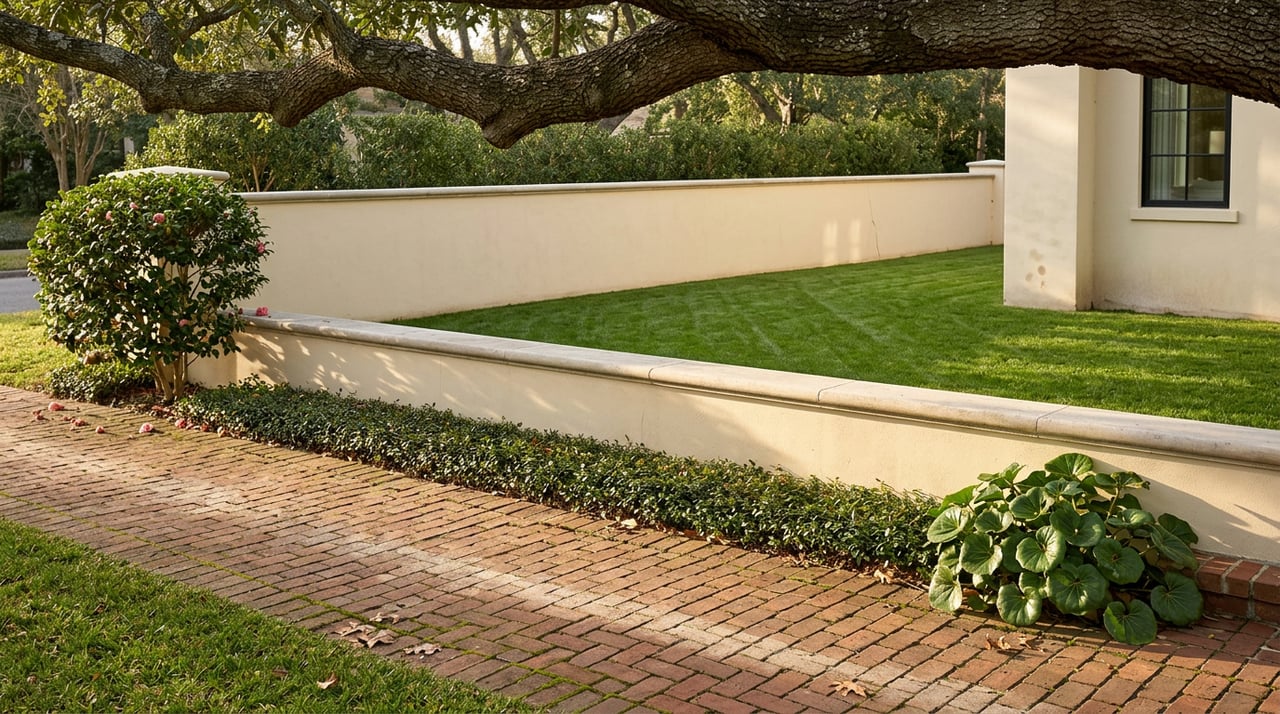
In everyday life, Hyde Park often feels quieter and more residential than the urban core. Heavily shaded streets, historic character, and easy access to Bayshore Boulevard create a setting that many buyers associate with a classic South Tampa lifestyle.
What stands out in Hyde Park
- Historic homes and preserved neighborhood character
- Tree-lined streets and a more traditional street pattern
- Close access to Bayshore Boulevard
- A compact retail and service area at Old Hyde Park Village
- A location that stays close to downtown without feeling like downtown
Downtown Tampa and Channelside Feel and Setting
Downtown Tampa is the city’s central business district and a major hub for offices, government, culture, transportation, and high-density residential living. The city’s planning materials also describe the Channel District as an area that has transformed from a warehouse district into an urban residential and arts-and-entertainment destination.
If Hyde Park feels more rooted and residential, Downtown and Channelside feel more vertical and active. You are more likely to see high-rises, mixed-use buildings, destination amenities, and a faster daily rhythm.
What stands out in Downtown and Channelside
- High-rise and mid-rise residential options
- Stronger access to major attractions and event spaces
- More concentrated dining, entertainment, and waterfront activity
- A more transit-connected urban environment
- An area shaped by continued redevelopment and change
Housing Options Shape the Decision
For many buyers, the biggest deciding factor is not the map. It is the type of home you want to live in.
Hyde Park fits Tampa’s pre-World War II traditional neighborhood pattern. The city describes this pattern as pedestrian-oriented, with sidewalks, street trees, on-street parking, small regular lots, buildings closer to the street, alleys, and neighborhood-scale businesses.
Downtown and Channelside fall more into the city’s urban neighborhood pattern. Planning guidance points to townhomes, apartments, condominiums, and mixed-use high-rise development, with mid- and high-rise residential forms as part of the environment.
Choose Hyde Park if you want character
If you are drawn to older homes, architectural detail, and a neighborhood that feels established, Hyde Park may be the stronger match. It can appeal to buyers who want a house with history and a streetscape that reflects Tampa’s older development pattern.
Hyde Park is also a local historic district. The district was expanded effective January 5, 2023, and development within it is reviewed under local design guidelines and the Secretary of the Interior’s Standards for Rehabilitation.
That matters if you value preservation, but it also means you should be prepared for guardrails around changes to certain properties. For some buyers, that is a benefit. For others, it may feel limiting.
Choose Downtown or Channelside if you want convenience
If your ideal home is a condo, apartment, or townhome with a more urban setup, Downtown or Channelside may make more sense. These areas are better aligned with buyers looking for newer construction, building amenities, and a lower-maintenance lifestyle.
That kind of setup can be especially appealing if you want to lock the door and go, spend less time on exterior upkeep, or stay close to downtown activities without depending on a car for every outing.
Walkability and Daily Routine Matter
The right neighborhood is not just about the home. It is also about how your day feels when you step outside.
Hyde Park’s signature walkable asset is Bayshore Boulevard. The City of Tampa describes Bayshore as a 4.5-mile scenic sidewalk that connects South Tampa with the downtown district. The route also passes many homes in Old Hyde Park.
Hyde Park also includes Old Hyde Park Village, which the city describes as an upscale commercial development with retail and service establishments. That gives the area a neighborhood-scale place to stroll, run errands, or meet up without the intensity of a downtown core.
Hyde Park daily rhythm
Hyde Park often fits buyers who want:
- Walks or runs along Bayshore Boulevard
- A more low-key neighborhood atmosphere
- Local retail and dining in a compact setting
- A calmer residential backdrop after work
Downtown Tampa offers a broader and denser amenity mix. The city highlights nightlife, waterfront access, parks, the Riverwalk, dining, shopping, museums, hotels, sporting and cultural uses, and public art.
Channelside adds another layer with destination-style waterfront activity. The city notes that Sparkman Wharf offers a waterfront entertainment experience with food, restaurants, shops, activities, and open areas, and that the district is also home to Port Tampa Bay and the Florida Aquarium.
Downtown and Channelside daily rhythm
Downtown or Channelside often fits buyers who want:
- More activity close to home
- Walkability to waterfront attractions and events
- Easier access to entertainment and nightlife
- A more urban routine with destination amenities nearby
Commuting, Transit, and Parking
Lifestyle fit often comes down to what happens between home and everything else. This is one area where Hyde Park and Downtown do not function the same way.
Hyde Park is geographically convenient for downtown access because it sits just west of the river, and Bayshore Boulevard connects South Tampa with the downtown district. If you work downtown or visit it often, that can make Hyde Park feel close without putting you in the center of the action.
Downtown and Channelside have the stronger transit network. The TECO Line Streetcar is a free 2.7-mile line with 11 accessible stations and service every 15 minutes between downtown, the Channel District, and Ybor City. The city’s downtown transportation guide also points to buses, water taxi service, bike rentals, e-boats, rideshare, Zipcar, and other mobility options.
Parking feels different too
Parking patterns can shape your experience more than many buyers expect. Downtown relies more heavily on garages and lots, while the Channel District includes metered on-street parking, city parking options near the aquarium, and private residential parking.
Hyde Park’s traditional neighborhood layout includes more neighborhood-style on-street parking. That does not mean parking is effortless in every situation, but it usually feels different from the garage-and-meter pattern that comes with urban core living.
Preservation vs. Change
Another useful way to compare these areas is to ask yourself whether you want a place defined more by preservation or by evolution.
Hyde Park is the more preservation-driven choice. The city states that the Architectural Review Commission oversees development in the district to ensure it follows local guidelines and rehabilitation standards.
Downtown and Channelside are more evolution-driven. City redevelopment materials describe Downtown as continuing to build its reputation as a major urban center, while the Channel District continues its transformation into a residential and arts-and-entertainment destination.
Neither path is better across the board. It simply depends on whether you want a neighborhood where character is carefully protected or one where growth and change are part of the appeal.
Which Area Fits You Best?
If you are torn, these questions can usually narrow it down quickly.
Hyde Park may be the better fit if you want:
- A historic home or an older neighborhood setting
- Tree-lined streets and a more residential pace
- Close access to Bayshore Boulevard
- Preservation standards that help protect neighborhood character
- Easy access to downtown without living in the middle of it
Downtown or Channelside may be the better fit if you want:
- A condo, apartment, or newer urban residence
- Building amenities and lower-maintenance living
- Better transit options and a more car-light lifestyle
- Walkability to parks, events, dining, and entertainment
- A neighborhood defined by density, convenience, and continued growth
Final Thoughts on Choosing Your Fit
The best choice is the one that supports how you actually want to live, not just what looks good in photos. Hyde Park offers character, shade, and a traditional South Tampa setting, while Downtown and Channelside offer urban convenience, stronger transit access, and a more active pace.
If you are buying, selling, relocating, or narrowing your options in South Tampa, having someone who understands these neighborhood differences can save you time and help you make a more confident decision. If you want a thoughtful, personalized conversation about where you will feel most at home, connect with Andrea Webb.
FAQs
How is Hyde Park different from Downtown Tampa for homebuyers?
- Hyde Park is generally more historic, shaded, and residential, while Downtown Tampa is denser, more urban, and more centered on high-rise living, offices, attractions, and transit.
Is Hyde Park or Channelside better for condo living in Tampa?
- Downtown Tampa and Channelside are usually the better fit for condo, apartment, and newer urban residential options, based on the city’s planning framework.
What makes Hyde Park appealing in South Tampa?
- Hyde Park offers historic character, tree-lined streets, access to Bayshore Boulevard, and a neighborhood-scale retail area at Old Hyde Park Village.
Does Downtown Tampa have better transit than Hyde Park?
- Yes. Downtown and Channelside have stronger transit and mobility options, including the free TECO Line Streetcar, bus service, rideshare access, and other transportation choices.
Are there historic district rules in Hyde Park?
- Yes. Hyde Park is a local historic district, and certain development activity is reviewed under local design guidelines and rehabilitation standards.
Which area is better for a quieter Tampa lifestyle?
- Hyde Park is generally the better fit if you want a calmer residential setting while still staying close to downtown access and amenities.