Wondering whether Palma Ceia should make your Tampa relocation shortlist? If you are moving from out of town, you need more than a pretty streetscape. You need a neighborhood that fits your day-to-day life, your commute, and the kind of home base you want to come back to. This guide will help you understand where Palma Ceia shines, where the tradeoffs are, and who it tends to fit best. Let’s dive in.
What Palma Ceia Feels Like
Palma Ceia is one of South Tampa’s most established neighborhoods, and that character shows up right away. The area is known for antique red-brick roads, mature oak trees, and a mix of home styles and price points. If you are looking for a newer master-planned feel, this is not that.
Instead, Palma Ceia offers a more rooted, lived-in South Tampa experience. The City of Tampa describes its commercial district as a mixed-use local center with offices, retail, restaurants, coffee houses, bars, specialty shops, and clothing stores. That mix gives the neighborhood convenience without making it feel like a full urban core.
Why Relocation Buyers Notice Palma Ceia
When you are relocating, efficiency matters. You may only have a few days to tour homes, compare neighborhoods, and decide what kind of lifestyle makes sense for your household. Palma Ceia often stands out because it combines residential character with access to many of Tampa’s major destinations.
It works especially well for buyers who want to be in South Tampa without living in the middle of a business district. You can have an established neighborhood setting while staying connected to work, errands, dining, and outdoor routines. That balance is a big reason Palma Ceia gets serious attention from relocation buyers.
Commute Access From Palma Ceia
One of Palma Ceia’s practical advantages is location. The neighborhood sits along a useful South Tampa corridor, with Bay to Bay Boulevard and MacDill Avenue connecting residents to other key parts of the city. City planning materials and resident feedback point to this corridor as a direct route to Bayshore, Westshore, the Selmon, and other South Tampa destinations.
For many relocating professionals, that matters more than buzz. Downtown Tampa serves as the city’s central business district, while Westshore is the largest commercial market in Tampa Bay, with more than 6,500 businesses, 100,000 employees, and 15.3 million square feet of office space. Palma Ceia can make it easier to stay within that broader South Tampa commute pattern.
Tampa General Hospital on Davis Islands is another major employment anchor nearby. The hospital describes its main campus as a 982-bed academic medical center and the primary teaching hospital for USF Health Morsani College of Medicine. If your move is tied to healthcare, business, or professional services, Palma Ceia may offer a convenient home base.
Airport Access for Frequent Travelers
If you travel often, airport access can shape your entire relocation decision. Tampa International Airport is about five miles west of downtown Tampa and serves about 25 million passengers a year, with more than 100 nonstop domestic and international destinations. That makes Tampa especially workable for buyers who expect regular business travel or frequent visits from family.
For Palma Ceia residents, that airport access is part of the appeal. You are not living next to the airport, but you are positioned in a part of the city that keeps regional connections relatively convenient. HART also provides transit links between downtown and the airport, including Route 30.
Everyday Life in Palma Ceia
A neighborhood can look great on paper and still fall short in daily life. Palma Ceia tends to perform well for buyers who want local convenience built into their routine. The neighborhood commercial district includes offices, restaurants, coffee houses, bars, specialty shops, and clothing stores, which supports quick errands and casual outings close to home.
Resident feedback in city planning materials also highlights local shops, cafes, restaurants, walkability, and access to nearby destinations. That does not mean Palma Ceia functions like a major shopping district. It means you get a neighborhood-scale commercial area that supports daily life without requiring every errand to become a cross-town trip.
Outdoor Access and Bayshore Connection
If your ideal routine includes walking, biking, or getting outside regularly, Palma Ceia has a strong lifestyle advantage. Residents value access to Bayshore Boulevard, one of Tampa’s signature waterfront corridors. The Bayshore Linear Park Trail provides a continuous pedestrian corridor with bike access and helps connect South Tampa with downtown.
For many relocation buyers, this kind of access matters more after the move than before it. Once the boxes are unpacked, your neighborhood starts to reveal itself through simple habits. Being close to an established outdoor route can add real day-to-day value.
Housing Style and Neighborhood Maturity
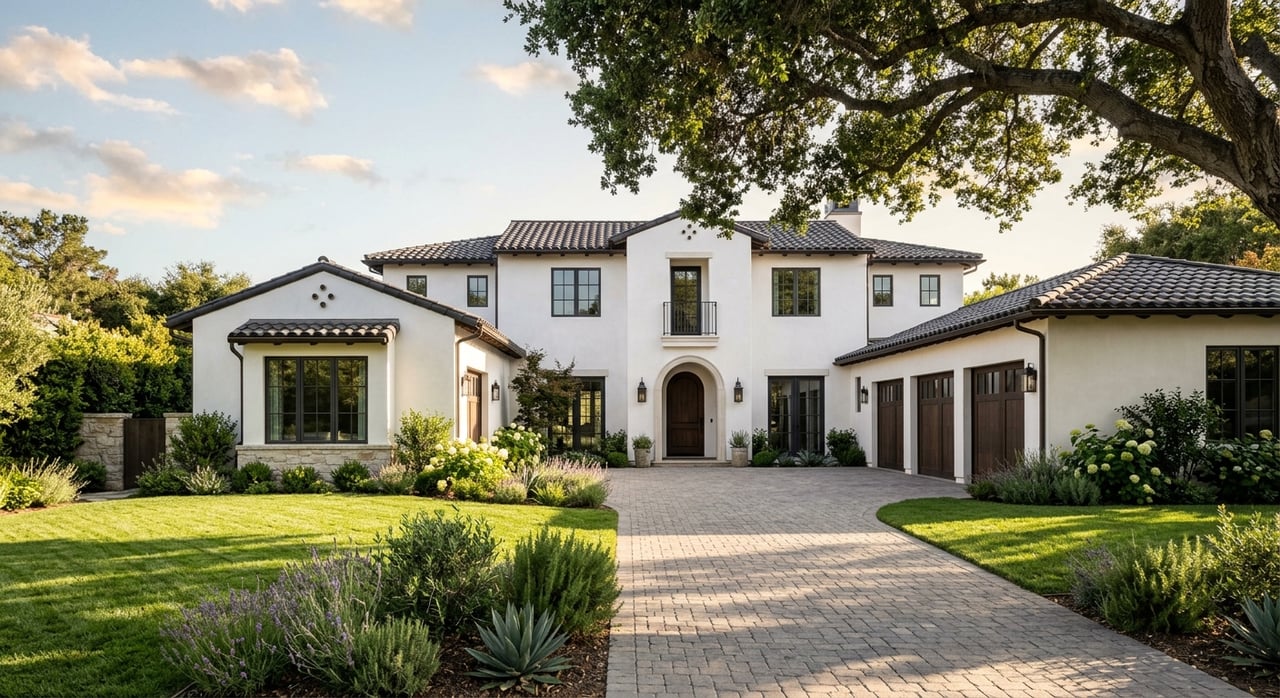
Palma Ceia appeals to buyers who want an older, established neighborhood instead of a newly built suburban enclave. The streetscape, mature trees, and varied housing designs give it visual depth and personality. That can be a major draw if you care about character and a sense of place.
The City of Tampa also shows ongoing investment in water, wastewater, and sidewalk projects in the area. For buyers, that is a useful reminder that Palma Ceia is a fully built-out neighborhood that continues to be maintained and upgraded. In other words, you are buying into an established part of Tampa, not a brand-new growth corridor.
The Tradeoffs to Consider
No neighborhood is perfect for everyone, and Palma Ceia is no exception. One of the main tradeoffs is corridor activity. City planning materials and resident feedback repeatedly mention traffic, speed, and pedestrian and bike safety concerns along Bay to Bay, even while recognizing the value of the area’s central location.
That does not automatically make Palma Ceia the wrong fit. It simply means you should weigh convenience against busier street conditions in certain areas. For some buyers, being close to key routes is a plus. For others, a quieter setting farther from active corridors may feel better.
Another important point is neighborhood style. Palma Ceia is less aligned with buyers who want the amenities profile of Downtown Tampa’s urban core or the office-centered environment of Westshore. If you want a high-rise, dense mixed-use lifestyle, you may prefer a different part of Tampa.
Who Palma Ceia Fits Best
Palma Ceia tends to be a strong fit for buyers who want a centrally located South Tampa residential base with character and convenience. It is especially relevant if you are relocating for work and want practical access to Downtown Tampa, Westshore, Davis Islands, and the airport. That combination can make your weekly routine easier without putting you in the middle of a full-density commercial district.
It may be especially appealing if you are:
- Relocating for a professional role in Downtown Tampa, Westshore, or healthcare
- Looking for an established South Tampa setting with local shops and restaurants
- Prioritizing access to Bayshore and outdoor routines
- Hoping to balance neighborhood charm with everyday convenience
- Interested in a wide range of housing styles rather than one uniform look
Questions to Ask Before You Choose Palma Ceia
Before you commit to any relocation neighborhood, it helps to pressure-test the fit. Palma Ceia may be right for you if the answers below point in the same direction.
Ask yourself:
- Do you want an established neighborhood rather than a newly built community?
- How important is access to Downtown Tampa, Westshore, Davis Islands, or the airport?
- Would you use nearby local dining, coffee, and retail on a regular basis?
- Do you value outdoor access like Bayshore for walking or biking?
- Are you comfortable with the activity that can come with central corridors?
If most of those answers are yes, Palma Ceia deserves a close look. If not, another Tampa neighborhood may align better with your lifestyle.
Final Take on Palma Ceia
Palma Ceia is best understood as a convenient, established South Tampa neighborhood with strong access to major job centers, airport connections, local businesses, and outdoor amenities. Its appeal is not about flashy newness. It is about location, character, and a lifestyle that feels connected and grounded.
For the right relocation buyer, that mix can be hard to beat. If you want help comparing Palma Ceia with other South Tampa neighborhoods and narrowing your options efficiently, Andrea Webb can help you evaluate the fit with clear local insight and a personalized relocation strategy.
FAQs
Is Palma Ceia a good neighborhood for Tampa relocation buyers?
- Palma Ceia can be a strong choice for relocation buyers who want an established South Tampa neighborhood with access to Downtown Tampa, Westshore, Davis Islands, the airport, and a local commercial district for daily errands.
What is the commute like from Palma Ceia to Downtown Tampa and Westshore?
- Palma Ceia sits along South Tampa corridors that connect to Bayshore, Westshore, the Selmon, and other nearby destinations, which makes it a practical location for many commuters.
What kind of lifestyle does Palma Ceia offer in Tampa?
- Palma Ceia offers a neighborhood-focused lifestyle with local restaurants, coffee houses, specialty retail, walkability, and access to Bayshore Boulevard for walking and biking.
What are the tradeoffs of living in Palma Ceia?
- The main tradeoffs include traffic, speed, and pedestrian and bike safety concerns along active corridors like Bay to Bay, plus a less urban amenity profile than Downtown Tampa.
Does Palma Ceia have newer homes or older homes?
- Palma Ceia is an established neighborhood with mature trees, historic character, and a wide range of housing designs rather than a newly built suburban feel.
Who is Palma Ceia best suited for in South Tampa?
- Palma Ceia often fits professionals, relocation buyers, and households who want South Tampa character, practical commute access, and everyday convenience without living in a full business district.