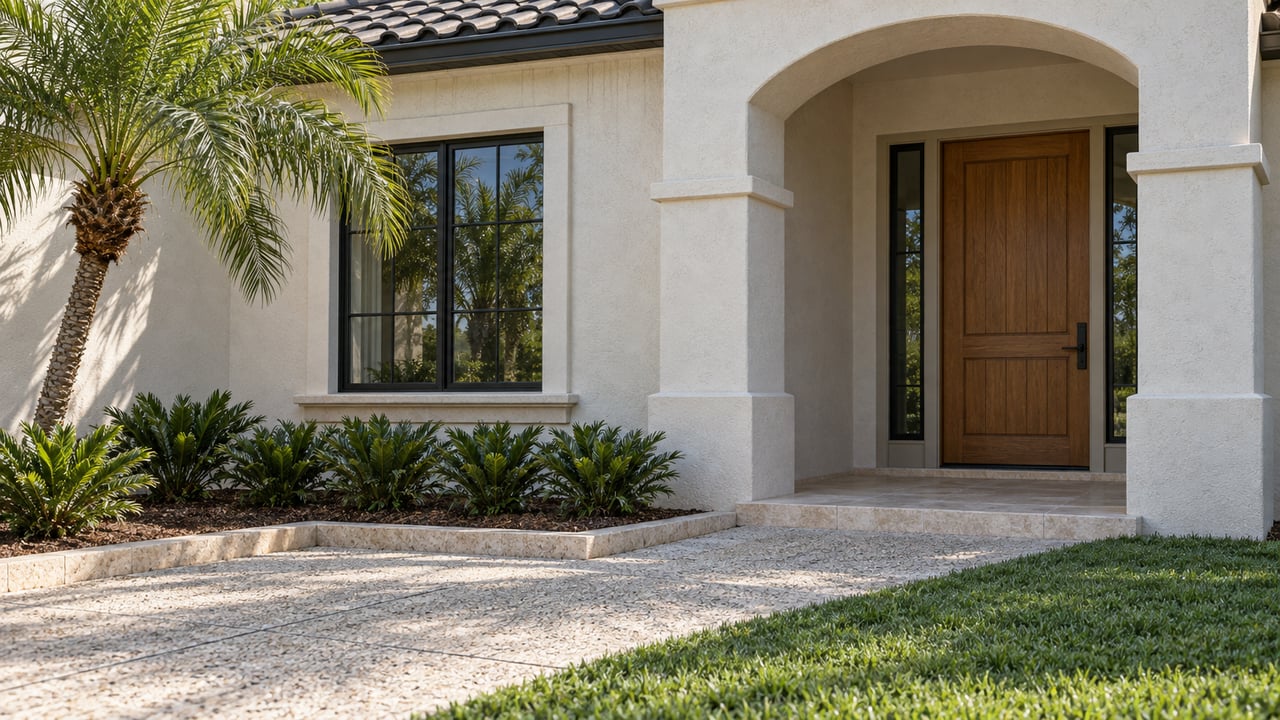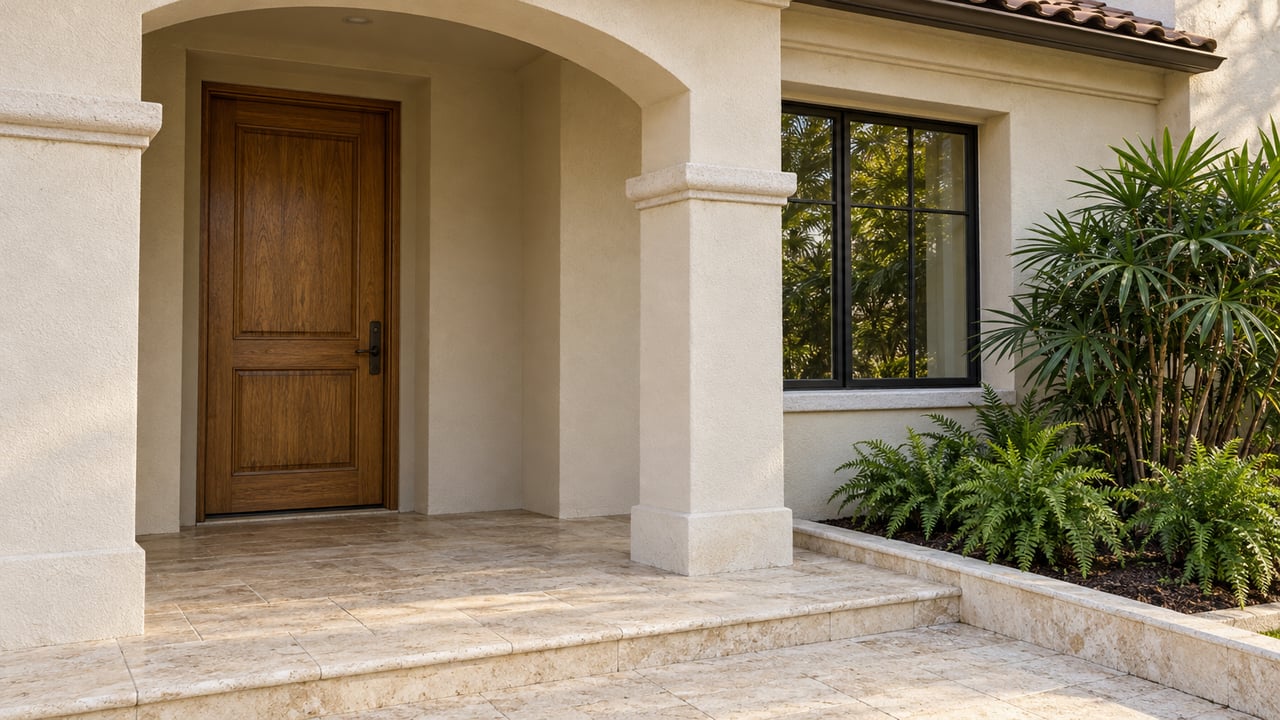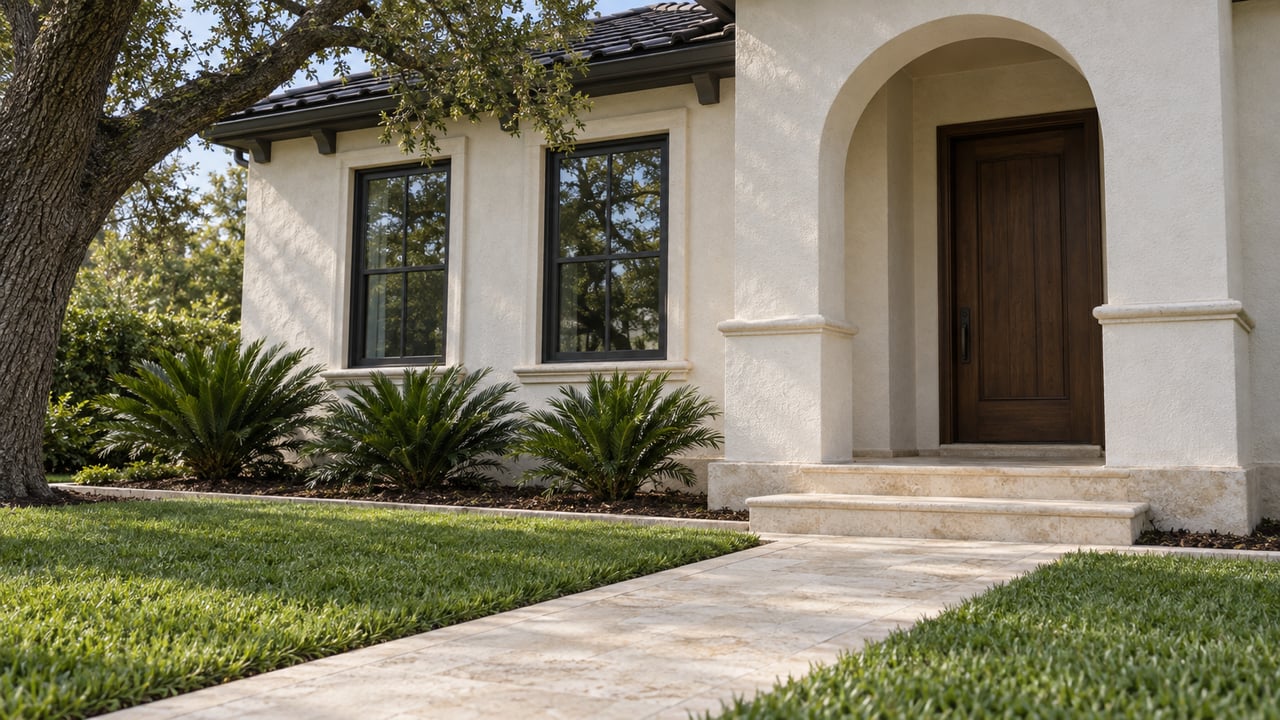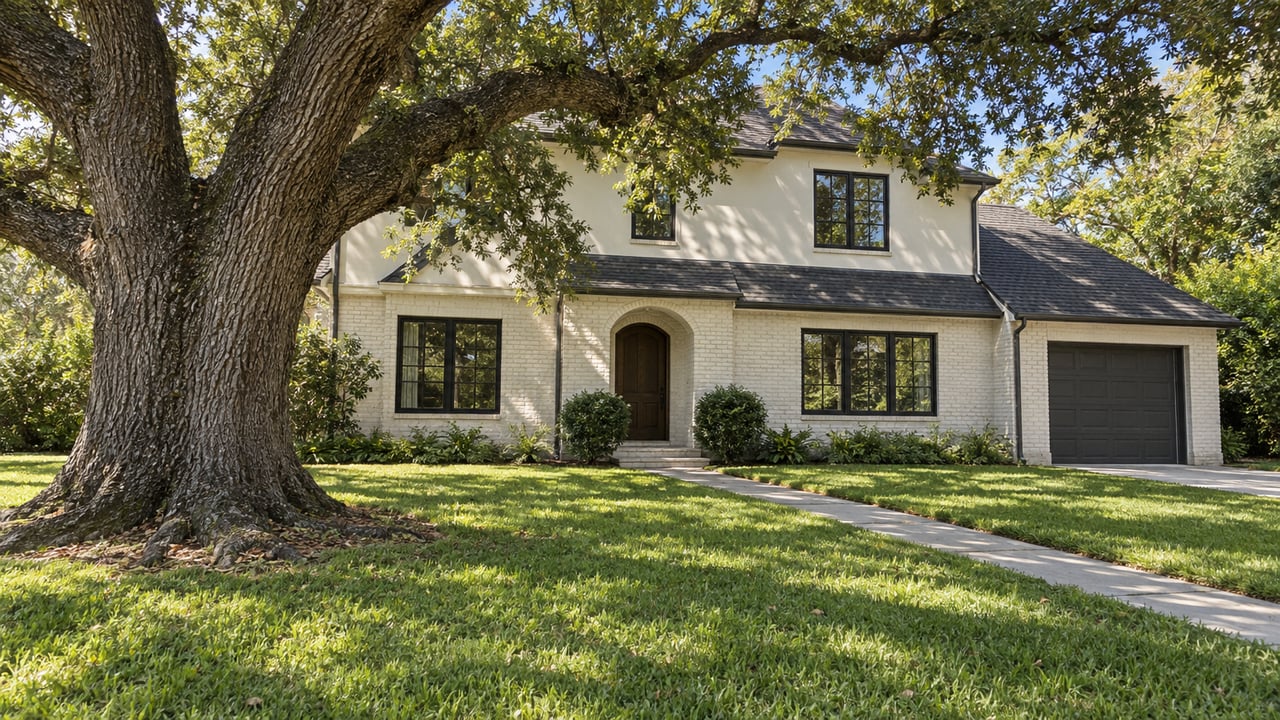
If you are searching for more land in South Tampa, bigger does not always mean simpler. In New Suburb Beautiful and Parkland Estates, a larger lot can give you more privacy, more outdoor living space, and more long-term flexibility, but it can also bring added maintenance, city review, and infrastructure questions. If you want to buy wisely, it helps to understand what “larger lot” really means here before you fall in love with the yard. Let’s dive in.
Why larger lots stand out here
New Suburb Beautiful and Parkland Estates sit within Tampa City Council District 4, alongside other established South Tampa neighborhoods like Historic Hyde Park and Palma Ceia. That matters because buyers often compare these areas as part of the same inner-South Tampa lifestyle search rather than as a separate suburban market. In other words, you are still buying an in-town South Tampa location, just with a different land and streetscape experience.
Both neighborhoods are known for a more established feel. The city describes Parkland Estates as a mix of classic and new homes with varied architectural styles, park areas, and neighborhood traditions, while tree-canopy data shows New Suburb Beautiful at 57% canopy and Parkland Estates at 44%. Those numbers help explain why these areas often feel greener, more shaded, and more private than tighter South Tampa blocks.
What a larger lot can give you
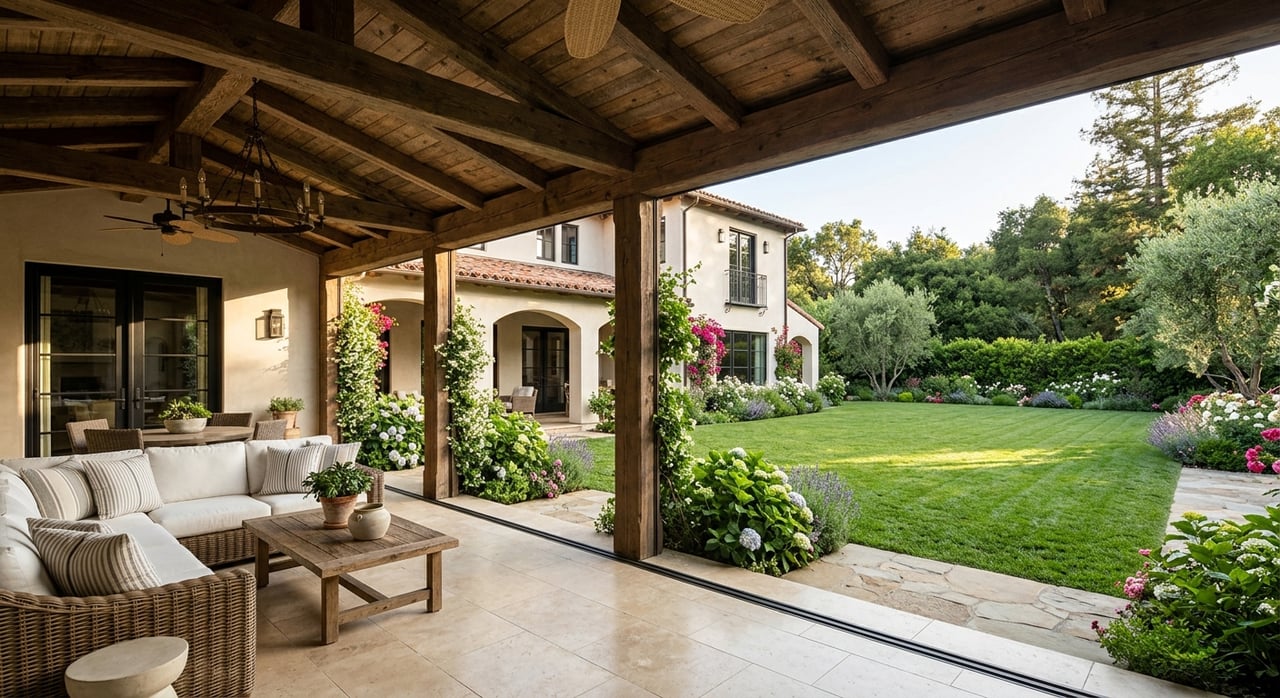
For many buyers, the biggest appeal is usable outdoor space. A larger homesite may create room for a pool, patio, lawn area, garden, or future expansion, depending on the property’s layout and city requirements. It can also give you more breathing room from neighboring homes, which many move-up buyers value.
Mature landscaping is another part of the draw. Larger lots in established South Tampa neighborhoods often come with substantial trees and a layered yard that would take years to recreate elsewhere. That can make the property feel settled and more private from day one.
A larger lot can also improve how a home lives day to day. You may have more options for entertaining outside, storing recreational items out of sight, or simply enjoying a quieter visual buffer. In neighborhoods like these, that extra land can shape the whole ownership experience.
The tradeoff: privacy versus upkeep
More yard usually means more responsibility. The same mature trees that make New Suburb Beautiful and Parkland Estates feel charming and shaded can also increase maintenance over time. That can include pruning, root-related considerations, storm cleanup, and planning around existing tree placement before making changes to the property.
This is where buyers sometimes need to slow down. A larger lot may look flexible at first glance, but not every square foot is equally usable once trees, setbacks, drainage patterns, and access needs are considered. Before you buy, it is worth asking how the lot functions in real life, not just how it looks in listing photos.
Tampa tree rules matter on larger lots
In these neighborhoods, tree rules can affect how you improve the property later. According to the City of Tampa, planting a new tree on private property does not require a permit. Pruning a tree that is 23 inches DBH or smaller does not require a permit, but pruning a tree 24 inches DBH or larger does.
Tree removal rules are even more important for buyers thinking ahead. The city says removing trees 5 inches DBH or larger generally requires a permit, and grand trees that are 32 inches DBH or larger can trigger a special public process before removal. If you are thinking about a future addition, pool, accessory structure, or even a new home, tree review may also become part of the building-permit process.
That does not mean larger lots are a bad idea. It simply means you should view mature trees as both an asset and a planning factor. A beautiful backyard may also come with limits on where and how you build.
Parkland Estates has extra overlay rules
If you are focused on Parkland Estates, there is another layer to understand. The neighborhood has a specific overlay district in the city code that is intended to keep infill and additions consistent with the area’s standards and underlying zoning. That means the lot itself may offer opportunities, but future work still needs to fit the overlay’s requirements.
The code also states that original platted lots in Parkland Estates may be developed as detached single-family homes even if the base zoning lot-size rules would otherwise be more restrictive. At the same time, new work still must meet overlay standards such as setbacks and streetscape requirements. For a buyer, that makes due diligence especially important before assuming a lot can be reworked exactly the way you imagine.
Do not assume an ADU is an option
Buyers sometimes see a deep lot and immediately think about a detached guesthouse, rental unit, or studio. In Tampa, that is not a safe assumption. The city says true accessory dwelling units are allowed only in Seminole Heights, the Lowry Park area, the East Tampa Overlay, and the Tampa Heights Overlay.
Outside those areas, secondary living quarters are treated as Extended Family Residences, and the main home must be owner-occupied. For buyers in New Suburb Beautiful or Parkland Estates, that means future flexibility may be more limited than the lot size suggests. If detached living space matters to you, it is important to verify what is actually allowed before you buy.
Drainage and infrastructure should be part of your search
When you buy a larger lot, the land itself is only part of the equation. Drainage, flood history, and infrastructure work can shape daily ownership just as much as square footage. That is especially relevant in Parkland Estates.
The City of Tampa’s South Howard Flood Relief Project is designed to reduce flooding along South Howard Avenue and nearby areas, including Parkland Estates. The city says the project began after a 2015 rain event flooded several homes in Parkland Estates and showed that the existing stormwater system was undersized. The project is currently listed as being in design, with planned construction in fiscal year 2027 and an estimated cost of $65 million.
Parkland Estates is also part of a Swann Avenue water-main replacement project intended to improve water pressure, water quality, system capacity, and service reliability. For buyers, this is a useful reminder that neighborhood improvements can support long-term function and resale, but they may also affect timing, nearby conditions, or your comfort level during the ownership period.
What to check during a showing
When you tour a home on a larger lot, try to look past the first impression. A yard may feel expansive, but the most important question is how much of it you can truly use and enjoy. That answer often depends on details that are easy to miss during a quick visit.
Here are smart questions to ask as you evaluate a property:
- How much of the yard is usable once trees, setbacks, easements, and drainage are considered?
- Would a future pool, addition, or detached structure trigger tree permits or other city review?
- If the home is in Parkland Estates, would future changes need to meet overlay requirements?
- Is the property in or near the Parkland Estates flood-relief project area?
- Could nearby infrastructure work affect timing, access, or ownership experience?
- If resale flexibility matters to you, is there still room to expand without giving up the outdoor space that makes the lot valuable?
How to compare New Suburb Beautiful and Parkland Estates
Both neighborhoods can appeal to buyers who want more land in an established South Tampa setting. New Suburb Beautiful’s higher tree-canopy level suggests an especially shaded and green feel, while Parkland Estates combines a classic South Tampa identity with city-documented infrastructure and overlay considerations. Neither choice is automatically better. The right fit depends on how you weigh privacy, outdoor use, maintenance, and future plans.
If your goal is a home that feels tucked in and established, both neighborhoods deserve a close look. If your goal is future expansion or a highly customized outdoor setup, then lot-specific review becomes even more important. In this part of South Tampa, the smartest buyers do not just buy the house. They buy the realities of the lot, the trees, and the rules that come with it.
A larger lot can be a real advantage when it matches the way you want to live. The key is making sure the property supports your plans today and still makes sense years from now. That kind of block-by-block and lot-by-lot analysis is where local guidance can make a major difference. If you want a thoughtful second opinion on buying in New Suburb Beautiful or Parkland Estates, connect with Andrea Webb for calm, knowledgeable guidance tailored to South Tampa.
FAQs
What makes larger lots attractive in New Suburb Beautiful and Parkland Estates?
- Larger lots in these South Tampa neighborhoods may offer more privacy, more usable outdoor space, and a greener feel, especially because city tree-canopy data shows strong canopy coverage in both areas.
What should buyers know about tree rules in Tampa before buying a larger lot?
- Tampa tree rules can affect pruning, removal, and future improvements. Pruning larger trees and removing qualifying trees generally require permits, and future additions or pools may trigger tree review through the permit process.
What is the Parkland Estates overlay district?
- The Parkland Estates overlay district is a city zoning layer that guides infill and additions so they stay consistent with neighborhood standards, including requirements tied to setbacks and streetscape conditions.
Can you build an ADU in New Suburb Beautiful or Parkland Estates?
- Tampa says true ADUs are allowed only in certain parts of the city, and New Suburb Beautiful and Parkland Estates are not listed among them, so buyers should not assume a detached rental unit or guesthouse will be allowed.
Why should buyers ask about drainage in Parkland Estates?
- The city has identified drainage issues in Parkland Estates and is designing the South Howard Flood Relief Project after prior flooding exposed limits in the existing stormwater system.
What should you evaluate during a showing on a larger South Tampa lot?
- You should look at how much yard is truly usable, whether trees or setbacks limit future projects, whether city review may apply, and whether drainage or infrastructure projects could affect the property experience or resale.